
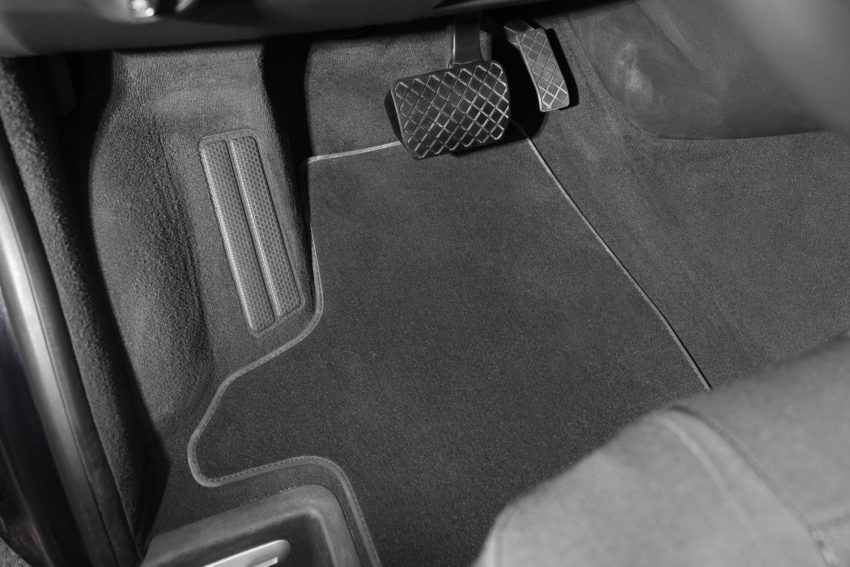
When did you last think about floor mats for cars? They may seem minor, but they are essential for keeping your vehicle clean and comfortable. Floor mats protect against muddy shoes and add style, making them a practical necessity.
Not all mats are the same. Should you choose rubber, carpet, or custom-made options? This guide will cover the types of car floor mats, their benefits, and maintenance tips. Whether you prioritize durability, aesthetics, or easy cleaning, the perfect option is available for you.
Introduction to Car Floor Mats
Why are floor mats essential for your car?
Floor mats protect your car’s flooring from dirt and stains, preserving its resale value and lifespan. Without them, grime can damage the factory carpeting, which is costly to replace. Mats trap mud, water, and sand, preventing these from settling into the carpet.
They also enhance cleanliness by trapping germs and allergens, especially in poor weather conditions. Available in various styles and materials, rubber mats are durable and waterproof, while carpet mats add luxury. Why risk stained carpets when a simple solution exists?
Floor mats vs. Floor liners – What’s the difference?
Mats and liners may look alike but serve different purposes. Floor mats are lightweight and versatile, ideal for casual protection, with carpet mats adding style and rubber mats offering easy cleaning.
In contrast, floor liners provide custom-fit coverage with raised edges to trap spills and dirt, designed for extreme conditions. Mats are suited for everyday use, while liners cater to those needing maximum protection.
With options from budget mats to premium liners, you can easily match your choice to your driving habits or local weather. Which is better for you? It depends on whether you prefer convenience or comprehensive coverage.
Different Types of Car Floor Mats
Rubber floor mats
Rubber floor mats are highly durable and weatherproof, effectively trapping mud, snow, and spills to protect your car’s interior. With deep grooves, they keep liquids contained and prevent spreading.
Their non-slip backing ensures they stay in place, even with heavy foot traffic. Easy to clean—just hose them off—these mats prioritize function while offering modern designs for a sleek look. Ideal for wet or muddy conditions, they provide a practical solution to mess.
Carpet floor mats
Carpet floor mats blend functionality with style, providing a softer, polished look. Made from heavy-duty nylon or velour, they come in various colors and patterns to match your car’s interior.
While many feature reinforced seams for durability, they require regular vacuuming and deep cleaning to maintain their appearance, as they trap dirt more than rubber mats. Ideal for fair-weather drivers, carpet mats prioritize comfort over extreme protection.
All-weather floor mats
All-weather mats are versatile, designed to handle various climates and conditions. Made from thermoplastic or high-grade rubber, they manage rain, snow, mud, and debris with ease.
Their raised edges contain liquids and grime, preventing seepage into your car’s interior. Fitting a wide range of vehicles, they offer a semi-custom look and are easy to clean. If you need year-round protection against unpredictable weather, these mats are an excellent choice.
Custom-fit vs. universal floor mats
Custom-fit floor mats are tailored to your car’s dimensions, providing edge-to-edge coverage and preventing shifting during drives. Available in various materials, they offer maximum protection and a seamless look.
In contrast, universal mats fit multiple vehicles and are budget-friendly but may leave gaps or slide around. Choose custom-fit mats for precision and coverage, or opt for universals for affordability and convenience.
Luxury floor mats
Luxury floor mats enhance your car’s interior with premium materials like leather, suede, or thick wool blends. Designed for high-end aesthetics, they protect surfaces while adding sophistication.
Often available as custom-fit options, they integrate seamlessly with your vehicle’s design. Maintenance requires gentle cleaning methods to preserve their quality. If you want to impress, luxury mats make your car a statement on wheels.
Benefits of Using Car Floor Mats
Protection from dirt, spills, and wear & tear
Car floor mats block up to 95% of dirt, spills, and debris from your vehicle’s flooring, containing messes like muddy shoes and coffee spills. Heavy-duty rubber mats are durable and resist tearing, while fabric mats absorb dust effectively in lighter-use environments.
They also prevent abrasions and fading on factory carpets, preserving them for years. Replacing damaged carpeting can cost over £1,500, making mats a smart investment for protecting your car’s appearance and your wallet.
Enhancing vehicle aesthetics
Car floor mats enhance your interior with a tailored finish. Luxury mats in leather or premium carpeting add an upscale vibe, while colored or patterned options showcase your style. For minimalism, classic black or grey all-weather mats blend seamlessly.
Custom-fit mats match your car’s exact dimensions for a more integrated look than universal options. Branded mats featuring car logos add a touch of sophistication. A visually appealing interior not only pleases passengers but also enhances your driving experience.
Increased resale value with proper floor protection
Well-maintained floor mats enhance your car’s resale value by protecting the original carpeting. Dirty or torn carpets can deter buyers, while spotless interiors indicate good care, positively influencing negotiations.
Statistics show that poor interior upkeep can reduce resale value by an average of 10%. Investing in quality mats—often under £100—provides functional benefits and strengthens your selling position. Clean details matter, so don’t underestimate their importance during viewings.
Weather resistance for different climates
All-weather car mats handle various conditions, from wet UK winters to dry summers. Rubber mats repel water and snow, while carpet mats capture lighter dirt in milder climates.
For areas with heavy rainfall or snowfall, weather-specific mats prevent mold and odors. Anti-slip backing adds safety during slippery conditions. These mats ensure easy cleaning and protect your car’s factory flooring from long-term damage.
Choosing the Right Floor Mats for Your Car
Key factors to consider before buying
Durability is key, especially for mud, sand, or snow. Rubber and all-weather mats outperform carpet ones, with over 60% of users preferring rubber for resilience. For aesthetics, luxury or custom-fit mats enhance stylish interiors.
Ease of cleaning is crucial for mats exposed to spills, making wipeable materials ideal for family cars or pet transport. Budget matters too, with rubber mats starting around £20-25 and custom-fit or luxury options between £100-150. Consider your region’s seasonal weather: all-weather mats excel in wet or snowy conditions, while lighter carpet mats suit dry climates.
Next, check how well they fit your car.
Compatibility with vehicle model and size
Proper fit is essential; ill-fitting mats can slide and pose safety hazards. Car-specific mats, like those from WeatherTech, are molded to match exact dimensions, reducing movement-related accidents by up to 20%.
Universal mats are budget-friendly but may need trimming. Always measure your car’s footwell to ensure snug edges that prevent debris or liquids from slipping underneath. Check manufacturer details, as hatchbacks, SUVs, and sedans have different needs.
Look for features like anchor systems or anti-slip backings for added security. Custom-fit designs simplify the process and enhance your car’s interior appearance.
Installation Guide for Car Floor Mats
Step-by-step installation process
- Prepare the interior: Remove existing mats or debris from the floor to create a clean and level surface. Use a vacuum cleaner to remove dirt particles and ensure no residue remains.
- Identify correct placement: Match the mat to its designated area. Most mats come with labels or shapes indicating their position (driver, passenger, rear). Custom-fit mats include edge contours to align precisely with your car’s floor.
- Secure the mats: Attach mats to anchoring systems if provided. Most modern vehicles include clips or retention hooks to keep mats locked. Push them firmly into place to avoid shifting underfoot.
- Check the fit: Verify that no part of the mat obstructs the pedals or protrudes awkwardly into other areas. Adjust edges if necessary, ensuring flat placement without folds or creases.
- Test functionality: Sit on the driver’s side and work the pedals to confirm nothing is impeding movement. Secure any loose spots.
A correctly installed mat reduces wear on your car’s interior and enhances driving safety, especially in vehicles with high foot traffic. Transitioning now, let’s discuss installation pitfalls and how you can avoid trouble.
Common mistakes to avoid during installation
- Using the wrong size mats: Ill-fitting mats pose significant risks, like interfering with controls or exposing large areas of flooring. Always choose mats tailored for your vehicle’s make and model. Universal mats often fall short in coverage or positioning.
- Neglecting to secure mats: Skipping anchor points leaves mats prone to sliding around. This not only damages your car’s interior but also endangers safe driving conditions. Prioritise fitting mats with inbuilt hooks or notches when possible.
- Stacking mats: Layering new mats over old ones may seem convenient but compromises safety. The double layers reduce grip and can obstruct the pedals, increasing braking risks. Always use one compatible mat per area.
- Ignoring cleaning requirements beforehand: Dirty or damp floors under mats can accelerate mould growth or hinder proper grip. Take the time to vacuum and dry any moisture before installation.
- Failing to verify vehicle compatibility: Generalised mats might seem cheaper, but they often lack features like cutouts for retention clips or precise alignment with contours, forcing constant adjustments.
Avoid these mistakes by focusing on accurate sizing and thorough preparation. Now that you know the dos and don’ts of installation, you’re on track for safer and more effective mat placement.
Cleaning and Maintenance Tips
Best cleaning methods for rubber and vinyl mats
Rubber and vinyl mats withstand harsh cleaning due to their durable waterproof materials. Start by shaking or vacuuming to remove debris, then hose them down to dislodge dirt. Use mild detergent or specialized mat cleaner for stains, scrubbing gently with a soft-bristle brush. Rinse well and air-dry flat to maintain shape.
Avoid bleach or silicone cleaners, opting for pH-neutral solutions instead. For longevity, apply a silicone-free rubber protectant every few months to prevent cracking. Regularly check for embedded debris to keep mats functional and visually appealing.
How to clean and maintain carpet floor mats
Cleaning carpet floor mats requires a detailed approach. Start by shaking out dirt or using a high-powered vacuum. Treat stains with an automotive carpet cleaner, lightly agitating with a soft brush. Rinse with a spray bottle and blot excess moisture with a microfiber towel, then air-dry completely to prevent odors.
For long-term care, use fabric protectors to repel spills and stains. Avoid harsh cleaners with ammonia or heavy solvents. Rotate mats seasonally to distribute wear, especially in high-traffic areas. Well-maintained carpet mats enhance your car’s aesthetics and keep the interior fresh.
Choosing the right floor mats for cars is an investment in your vehicle’s cleanliness, safety, and overall value. By selecting mats that align with your driving habits and climate, you can enjoy practicality and style while protecting your car’s interior. Prioritizing proper installation and regular maintenance will maximize their lifespan and effectiveness. Whether you opt for durable all-weather mats or luxurious custom-fit options, keeping them clean ensures they serve their purpose. With the right floor mats in place, you safeguard your vehicle and enhance its comfort and aesthetics, making every drive a better experience.